Flexible. Global. Transformational.
Photograph of airport provided courtesy of Denver International Airport.
18 months, part-time cohort structure
Hybrid delivery (in-person + online)
January start
In-person classes at DEN
Multiple residencies at major airports
The CU Denver Executive MBA in Aviation is the first degree of its kind, in the world.
Partnering with Denver International Airport (DEN), one of aviation’s busiest global hubs, this tailored educational experience is designed to shape current and aspiring executives into future industry leaders. Specifically, we recruit faculty from around the world (academia and industry) to teach a curriculum that focuses on the challenges and opportunities facing airports, airlines, and the companies that comprise their supply chains.
With classes located at DEN, and week-long residencies at airports around the world, we deliver a hybrid, flexible course structure that balances in-person and online class sessions, without career interruption. Our goal for each cohort is to build a culture that is collaborative and intentional, creating an experience and support system that is second to none.
We are seeking executives and aspiring leaders who demand something more from their graduate degree. Your classmates will be professionals from diverse backgrounds and various functional areas throughout the aviation ecosystem, exposing you to critical conversations and alternative perspectives. The knowledge, confidence, and network opportunities you gain will provide the foundation for the rest of your career, as well as deliver immediate value to your current position and organization.
It matters where you get your Executive MBA; please allow us to explain why CU Denver’s EMBA in Aviation is unique.
The CU Denver Executive MBA in Aviation is the first degree of its kind in the world. This groundbreaking program draws on world-class faculty from academia and industry to deliver experiential courses that address the unique challenges and opportunities faced by airports, airlines, and their respective supply chains. Our purpose is to educate thoughtful leaders with the capabilities to build a sustainable competitive advantage for their organizations within a thriving aviation ecosystem.
Our Executive MBA in Aviation faculty represent a powerful combination of industry leadership and academic distinction. Primarily aviation leaders with decades of industry expertise, complemented by experienced academics from leading universities nationwide, they bring a depth of real-world insight into every course. This intentional design ensures students learn from proven leaders who prioritize contemporary issues and immediate implementation. Offering a level of diversity, relevance, and excellence, the EMBA in Aviation faculty set this program apart as the only one of its kind, worldwide.

Jung Park, MBA
Founder, Sherpath Coaching
Term 1: Leading with Purpose

Scott McCartney
Podcast Host, Airlines Confidential
Term 1: History of Aviation
Michelle Marks, PhD
Chancellor Emerita, CU Denver
Term 2: Leading Individuals + Teams

Brett Burgess, MBA
CEO + President, ATPCO
Term 2: Aviation Technology + Analytics

Kate Watkins, PhD
State Demographer, Colorado
Term 3: Economics
Bob Westgate, MSc
Managing Director, Hawaiian Airlines (former)
Term 3: Airline Planning + Operations

Mary Malina, PhD
Professor Emerita, CU Denver
Term 4: Accounting

Sean Donohue
CEO (2013-25), DFW
Term 4: Airport Management + Operations
Marci Armstrong, PhD
Professor, Southern Methodist University
Term 5: Marketing

Douglas Downey, MBA
Presidential Advance Agent, Air Force One (former)
Term 5: Crisis Management
Subodh Karnik, DBA
Former CEO, ExpressJet Airlines
Term 6: Finance

Alex Tarter, PhD
Director, AlixPartners
Term 6: Aviation Security
Charles Duncan, MBA
Former Chief Strategy Officer, WestJet Airlines
Term 7: Aviation Strategy

Donnell Harvey, MBA
VP, Aviation Real Estate, DFW
Term 7: Aviation Economics

Mike Hendron, PhD
Director, BYU Center for Entrepreneurship
Term 8: Strategy Implementation

Oscar Munoz, MBA
CEO (2015-20), United Airlines
Term 8: Future of Aviation

Ryan Nalty, MSc, DIC
Director, CU Boulder
Residency 1: Aviation Law + Ethics

Edward Russell
Aviation + Transport Journalist
Residencies 2, 3 + 4: Airport Management
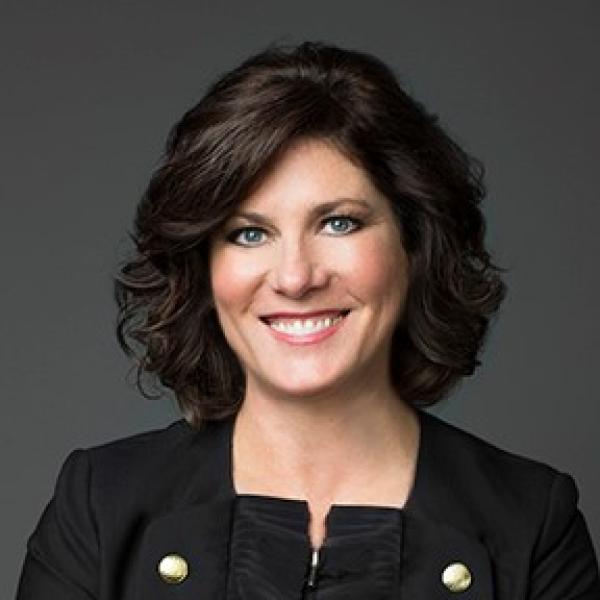
"The aviation industry must adapt to new technology, challenges, and evolving passenger needs. The next generation of leaders must understand the landscape, anticipate trends, and possess the necessary skills. CU Denver's Executive MBA in Aviation is building the talent essential to the industry's success."
Phillip A. Washington
CEO, Denver International Airport
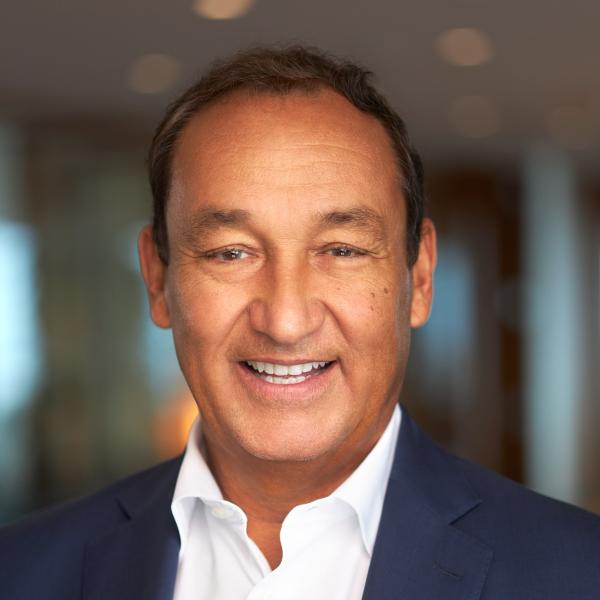
"Aviation is a vital industry—and a constantly evolving one. Understanding both fundamentals and complexities will be essential for future leaders. I'm excited that CU Denver Business School has created an Executive MBA in Aviation addressing this need."
Rhonda Hamm-Niebruegge
Executive Director, St Louis International Airport
"Everywhere you look around DEN, you see vital infrastructure being built. ... That development must be complemented by academic infrastructure to train the next generation of business leaders. ... In just a few years, I wouldn't be surprised if a large majority of leaders in the aviation industry ... will all have one thing in common: an EMBA in Aviation degree from the University of Colorado."
Oscar Munoz
Chairman and CEO, United Airlines (Retired)
Learning goals
These five learning goals are embedded throughout the curriculum:
1. Act strategically
Formulate and implement strategies that are designed to build a sustainable competitive advantage for the organization.
2. Think critically
Analyze quantitative and qualitative data to develop counterintuitive, insightful solutions to any given business problem.
3. Communicate effectively
Deploy executive presence to convey complex ideas, motivate stakeholders, and resolve conflict to navigate challenges and optimize performance.
4. Embrace ambiguity
Seek value in a dynamic environment that is constantly evolving, while bringing unique insight to solve original problems.
5. Lead thoughtfully
Appreciate the complexity of organizations, and the opportunity to lead an inclusive and representative culture.
The eminent members of the CAB, with expertise and perspectives from across the aviation ecosystem, advise the EMBA in Aviation on its curriculum.

Andrea Albo
Executive Director, Scientific and Cultural Facilities District

Andrew Barr
Aviation Attorney
Greenberg Traurig

Brett Burgess
CEO + President
ATPCO

David Chandler
Associate Dean, Business School
CU Denver

Matt Cornelius
EVP, Airports Council International, North America

Scott Dawson
Dean, Business School
CU Denver

Pam Dechant
SVP, Denver International Airport

Ekrem Dimbiloglu
Managing Director, Delta Air Lines
Stephanie Garnica
Director, Denver Economic Development & Opportunity

Rhonda Hamm-Niebruegge
Executive Director
St. Louis International Airport

Michael B. Hancock
Mayor (2003-11)
City of Denver

Oscar Munoz
CEO (2015-20)
United Airlines

Ryan Nalty
Director, CU Boulder

Aniel Patel
SVP, Airports Council International, North America

Gene Sandoval
Design Partner
ZGF Architects
Andy Schneider
President + CEO
Horizon Air

Levi Sheppard
Air Force Pilot (veteran)
EMBA Class of 2022
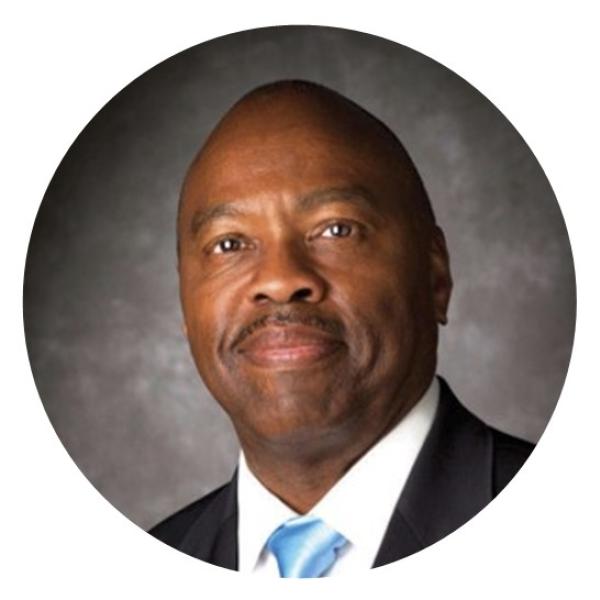
Phil Washington
CEO
Denver International Airport
BJ Youngerman
Managing Director, United Airlines
Tuition
The tuition for the 18-month EMBA in Aviation degree is $125,000, all inclusive. Limited scholarships still available.
Tuition is billed in eight equal payments (one for each term) as you progress through the program and includes all costs (other than transportation to and from class):
- All classes – in-person, synchronous online, and asynchronous
- Accommodation during in-person classes at DEN (The Westin)
- All books and supplemental materials (FedExed directly)
- 3-day orientation, off-site
- 4 mini-residencies (national/international)
- Career and alumni services
- Food, drinks, and snacks when on site for class.
A $1,500 deposit is due on being accepted into the program. This deposit is non-refundable, but is a credit that is applied against your first term’s tuition.
Employer support
The valuable skills you will gain in the program will immediately benefit your organization, colleagues, and yourself as you apply your knowledge to business challenges. As such, many employers invest in their employees' business education and offer full or partial reimbursement. Contact your company’s human resources department to inquire about tuition support.
Veterans benefits
The University of Colorado Denver is committed to providing veterans and service members with a high-quality education tailored to your distinct interests. The Executive MBA in Aviation program proudly supports the Post-9/11 GI Bill. This distinction allows veterans and service members to maximize their tuition benefit depending on length of service. In some cases, the VA may not cover all the costs associated with the EMBAA program. Our administrative team is available to discuss VA benefits with applicants. Additionally, applicants may contact Veteran & Military Student Services at (303) 315-7300 or by email at VMSS@ucdenver.edu to find out more details about their VA benefits.
Federal Stafford loan
EMBAA students can help fund their education through student loans. All federal loans require the submission of the Free Application for Federal Student Aid (FAFSA). To be eligible, applicants must be U.S. citizens and have not defaulted on a previous student loan. For information please visit: https://studentloans.gov/myDirectLoan/index.action.
Hispanic-Serving Institution designation
CU Denver was the first research university in Colorado to attain the status of Hispanic-Serving Institution in 2021-2022 and remains so today. More information is available at this link.
Application checklist
Online application
Resume
Short-form essays
Official university transcripts
Organization sponsorship statement
Two letters of recommendation
A new cohort begins each January. Students are admitted to the cohort as applications are received. Our goal is to make the application process as streamlined as possible:
- There is no application fee or standardized test score (e.g., GMAT) required.
- Due to the program’s competitive nature and rolling admissions policy, we strongly recommend submitting your application as soon as possible.
- After submitting your completed application, decisions are delivered within a week.
- Scholarships are awarded at the time an offer is made.
Admission requirements
The CU Denver Executive MBA in Aviation is designed for professionals who want to move into senior roles — whether that's managing complex operations, leading innovation, or influencing strategy across the aviation ecosystem. As such, we seek candidates who are currently in management positions with a demonstrated record of achievement and the potential for further promotion. In addition, the ideal candidate is: ambitious, collaborative, and inquisitive. As we curate the cohort and Learning Community, we seek candidates who enrich the educational experience for all cohort members.
All candidates will meet with multiple members of the Executive MBA in Aviation team throughout the application process. These ongoing conversations help us assess your motivation for pursuing an EMBAA, your academic and professional experience, and your future plans.
All interested applicants are encouraged to contact our head of recruiting, Vincent Pre, to discuss your future with the program.
We welcome applications on a rolling basis and will admit students until the cohort fills.
For questions about any aspect of the application process or the program, please contact Vincent Pre or schedule a one-on-one meeting.
Networking
Students in each cohort of the CU Denver Executive MBA in Aviation program are experienced professionals across the aviation ecosystem: airports, airlines, municipalities, supply chain partners, and trade unions. The result of this diversity is to create networking opportunities with fellow students, alumni of the program, faculty from across the country (from both universities and industry), and various classroom guest speakers -- all of whom enhance the value of your degree.
Additional resources
- Executive coaching: We offer a customized package of coaching services.
- Prep course: Prior to orientation, we offer access to the MBA Math online program to help prepare you for the quantitative courses in the curriculum.
Who is the Executive MBA in Aviation degree designed for?
The program is designed for professionals with 8-12 years of work experience who want to grow into leadership or senior management roles in aviation. We are seeking candidates with substantial experience in aviation or aviation-adjacent industries who have managed complex operations and led innovation across the ecosystem.
Can I complete the Executive MBA in Aviation while working full-time?
Yes, the program is designed for working professionals, so you can continue your job while studying. It uses a hybrid, flexible format that includes: one in-person session each term (Thursday noon to Sunday noon) at Denver International Airport, three online sessions per term, and four week-long residencies held at critical domestic and international airports. In fact, this intentional structure of support for ongoing employment is a feature – because everyone in the cohort is working, the learning environment is richer.
Do I need a bachelor's degree or aviation background to apply?
A bachelor’s degree and an aviation background are preferred, but these requirements can be waived for candidates who possess strong work experience grounded in the aviation ecosystem. During the admissions review process, we assess each applicant’s professional accomplishments, leadership potential, and overall career progression.
How long does it take to complete the Executive MBA in Aviation program?
The program takes 18 months to complete and includes 16 courses delivered across 8 terms, as well as 4 week-long residencies. You will progress through the program as a cohesive cohort with your peers, from start to finish. This shared context helps create the connections and friendships you will benefit from throughout your career.
What is the tuition fee for the program? Are scholarships, financial aid, employer sponsorship, or veteran benefits available for the Executive MBA in Aviation?
The Executive MBA in Aviation has a maximum tuition of $125,000. This covers all classes (in-person, synchronous online, and asynchronous), accommodation during in-person classes at DEN (The Westin), all books and supplemental materials (FedExed directly), a 3-day orientation, 4 mini-residencies (national/international), career and alumni services, and food, drinks, and snacks when on site for class. Tuition can vary based on whether an employer is for-profit or nonprofit, so applicants should confirm details with the recruiting team. Early action scholarships up to 20% are available, and students regularly benefit from financial aid and veteran benefits. For employer sponsorship or tuition reimbursement, you should contact your HR department to discuss any opportunities.
How can the Executive MBA in Aviation help me advance into management and leadership roles?
The industry-based instructors and unique curriculum provide the business knowledge and leadership skills to move students into higher-level roles in their organization. The degree is designed to train industry leaders and mid-career professionals with significant experience who want to stretch beyond their functional expertise to learn from different perspectives across the ecosystem.
What does the Executive MBA in Aviation curriculum cover?
We are the only Executive MBA in Aviation in the world. The unique curriculum covers consists of 8 seven-week terms over 18 months, with 2 courses per term. Each term pairs a traditional MBA discipline with an aviation-specific counterpart, meaning you will learn about core business functions (leadership, economics, accounting, marketing, finance, strategy) alongside aviation modules like aviation technology and analytics, airline planning, airport management, aviation security, and the future of aviation. The program is taught by current and former aviation executives with extensive industry experience across airlines, airports, and throughout the supply chain. The focus is on immediate application, meaning that everything you learn in class on the weekend should be useful to you at work, on Monday.
Does the curriculum include areas such as airports, airlines, aviation safety, or operations?
Yes, the program focuses on bridging organizational and functional silos in the aviation ecosystem, with courses that explore a wide range of essential topics. We seek students with diverse aviation perspectives, including leaders from airports, airlines, and organizations throughout the supply chain, such as insurers, lessors, auditors, architects, advertisers, lawyers, and trade unionists. This variety of experience helps students gain a broader understanding of how different parts of the aviation ecosystem interact to impact organizational success.
What is the difference between an Executive MBA in Aviation and an MSc in Aviation Management?
An Executive MBA in Aviation consists of students who already have expertise based on extensive professional experience. The focus therefore is on helping you grow into executive roles, think strategically, and develop the skills to lead an organization. The purpose of the EMBA in Aviation is to revolutionize professional development to help create the next generation of aviation executives. We believe combining traditional MBA courses with aviation-specific modules will give senior leaders the broad, ecosystem-wide perspective they need to make more effective decisions for their organization.
Will the program help me build industry connections and expand my professional network?
Yes, the focus of this degree is to help you achieve your career goals. During the program, you will connect with peers, faculty, alumni, and aviation leaders from around the world, which will expand your network and introduce you to opportunities and experiences that will broaden your perspective. Your cohort completes the degree together over 18 months, allowing you to form connections and build relationships with experienced professionals intentionally drawn from across the aviation ecosystem. Throughout the program, the instructors and curriculum advisors mentor students on leadership and career development. They also provide access to their professional networks, connecting students with senior leaders and opportunities throughout global aviation.